

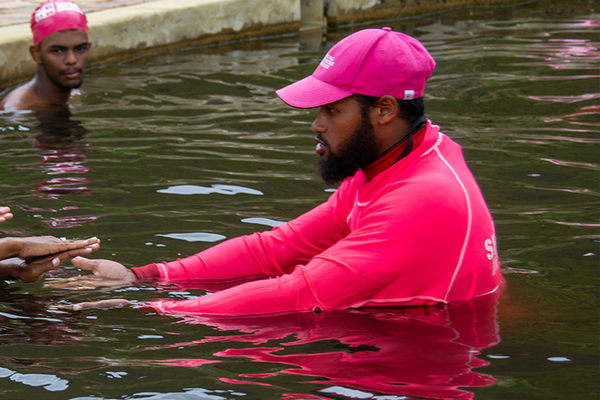
When 335 young people gathered at the recent Western Cape Scouting-in-Schools leadership development Camp, they expected just a week of Scouting, leadership and fun. With the support of the NSRI, many left with an additional life skill that could save lives: confidence in the water. And, for over a hundred, the beginning of a potential future in water safety, lifeguarding and volunteering with the NSRI.
A Partnership with Shared Goals
The NSRI’s Community Programmes department has partnered with SCOUTS South Africa’s Western Cape Scouting in Schools (SiS) Programme to train youth leaders in drowning prevention, water safety and survival swimming.
According to Honorary Life Governor and NPO Cooperation Project Leader Keith Burchell, the collaboration supports NSRI’s goals of community training in drowning prevention, survival swimming, lifeguarding and small-boat skipper skills. It also strengthens NSRI’s commitment to diversity and transformation by creating clear pathways into rescue services.
For Keith, the partnership goes beyond a single project; it creates a sustainable pathway into service. Through this cooperation, young people can move from learning basic water safety to becoming community instructors, lifeguards, or even station crew members over time.
Reaching Youth Where They Are
The SiS Programme works with young people aged 18–25 who fall into the NEET category – not employed, not in education and not in training. Participants are based in communities including Mitchells Plain, Langa/Crossroads, Khayelitsha, George, Delft and Gugulethu.
The SIS programme enables the Western Cape Scout Region to run Scout Groups in low and no-fee-paying schools, with no financial cost to the school. In addition to the leadership and skills development that takes place among the learners, this initiative also includes the training of unemployed youth from the serviced school’s community as leaders to run the Scout Group activities. The skills acquired aid these youth to further their studies or gain employment after their year in Scouting. Themes covered through the programmes offered address direct skills needs and are aligned with the Sustainable Development Goals and the National Development Plan.
SiS Programme Manager Tasmin Kriel says the partnership with the NSRI aligns beautifully with this youth development focus, especially in a year when SCOUTS South Africa’s National Challenge centres on water safety.
“These youth have never been exposed to this information,” she notes, adding that the collaboration opens up real career possibilities in lifeguarding and water safety, while equipping them to teach learners how to be safe in and around water.
Confidence in 30 Minutes
The impact of the first camp has been immediate and striking. “Of the 191 young people who initially identified themselves as unable to swim, 103 reported feeling able to swim after just a 30-minute session in the dam with NSRI instructors,” Tasmin reveals.
For her, one of the most memorable aspects has been watching the “sheer excitement” on young people’s faces as they learn to float or manage a few extra strokes.
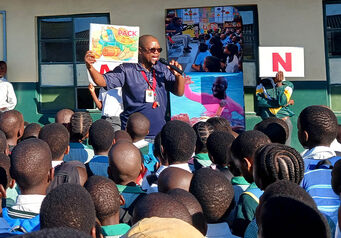
Caville Abrahams, NSRI’s Drowning Prevention Regional Coordinator for the Western and Northern Cape, describes these first sessions as an introduction to NSRI’s Community Programmes and a chance to assess who might become future instructors.
“We want to upskill the youth in our survival swimming and lifesaving programmes so that they can create different career paths for themselves and be well equipped when they go into their communities,” he says.
From Learners to Leaders
Interest in going further has been overwhelming. 192 Scouting-in-Schools leaders have volunteered to continue their training with NSRI. Depending on individual ability, they will be guided into different streams. This includes presenting NSRI school talks on water safety, qualifying as survival swimming instructors (for those who can swim 50 metres, with support for others to reach this milestone), and, for some, working towards full lifeguard training.
For both NSRI and the Western Cape Scouting Region, the benefits are immediate and long-term. By sharing facilities, assets, and personnel, both organisations significantly reduce costs, expanding the reach and impact of water safety training.
Most importantly, they are helping to grow a new generation of volunteer instructors, lifeguards and rescue candidates from within the communities most affected by drowning. These are young people now stepping forward as active contributors to safer, more resilient communities.
Photo of the month: March 2026
Read More
Western Cape Premier Alan Winde today visited the National Sea Rescue Institute (NSRI) Volunteer Support Centre (VSC) in Cape Town to thank volunteer crews and staff from across the province who were activated during the recent floods. ...
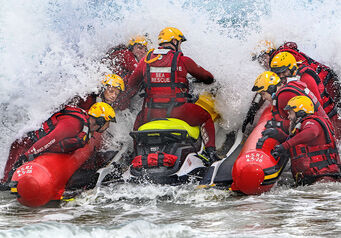
Send us your favourite photograph of NSRI people doing what we do, and you could win an NSRI shop voucher worth R250! ...
The NSRI has secured a significant three-year partnership with the Victor Daitz Foundation and World Relief Australia to fund a dedicated Drowning Prevention Instructor in Richards Bay, KwaZulu-Natal. ...