

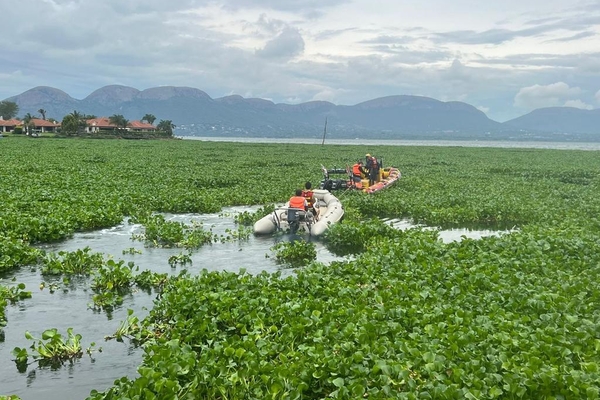
Hartbeespoort Dam - The National Sea Rescue Institute (NSRI) is urging members of the public to carefully consider launching boats or other craft onto Hartbeespoort Dam at this time, due to extensive water hyacinth coverage that presents serious and growing safety hazards.
The floating mass of hyacinth currently covers large areas of the dam. It is expected to increase rapidly in the coming weeks. Hyacinth growth at Hartbeespoort typically accelerates during the summer season, and changes in wind direction are causing these thick mats to move swiftly and unpredictably across the water. This creates extremely hazardous conditions for watercraft.
“We are asking the public to carefully consider whether it is safe to go out on the water,” said Arthur Crewe, NSRI Hartbeespoort Station Commander. “If your craft becomes trapped in the hyacinth, the rescue options are limited. Even our rescue vessels suffer damage attempting to get through, and in some cases, rescues are extremely challenging.”
Dangers posed by the current hyacinth conditions include:
NSRI crews remain on standby for life-threatening emergencies, but the public is urged not to underestimate the risks.
“Launching without a clear understanding of where the hyacinth is, and how fast it’s moving, places not only your life at risk but also that of our volunteers,” said Arthur. “Every rescue in these conditions is dangerous and may result in further damage to rescue equipment and delays in assistance.”
If you choose to launch despite the warning:
Teen Rescued at Myoli Beach Thanks to Quick Action by NSRI Pink Buoy Volunteer
Read More
Western Cape Premier Alan Winde today visited the National Sea Rescue Institute (NSRI) Volunteer Support Centre (VSC) in Cape Town to thank volunteer crews and staff from across the province who were activated during the recent floods. ...
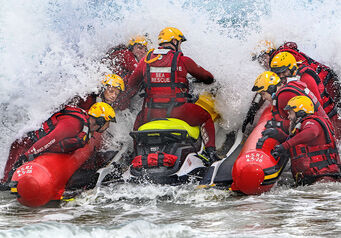
Send us your favourite photograph of NSRI people doing what we do, and you could win an NSRI shop voucher worth R250! ...
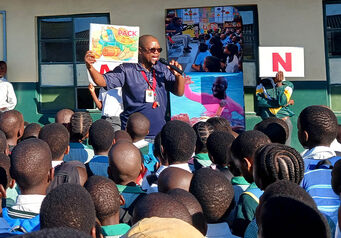
The NSRI has secured a significant three-year partnership with the Victor Daitz Foundation and World Relief Australia to fund a dedicated Drowning Prevention Instructor in Richards Bay, KwaZulu-Natal. ...