

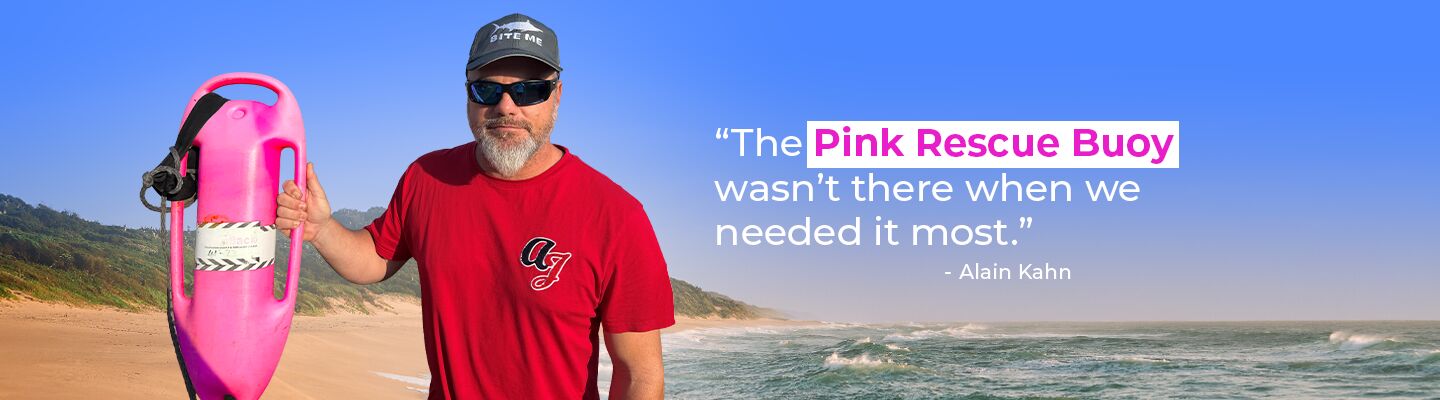
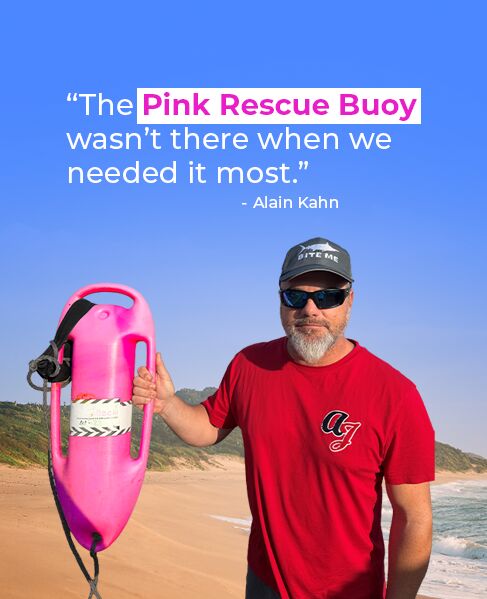
On 6 January 2026, Alain Kahn and his family were wrapping up their holiday at Sodwana Bay. The sea looked inviting and calm, until shouts from a swimmer caught in a powerful rip current, pierced the air.
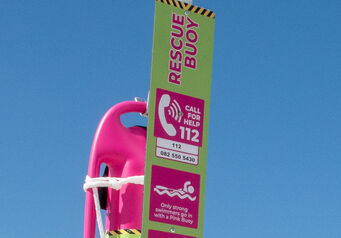
Alain, knowing the dangers of the ocean and the situation that was unfolding, ran to grab a Pink Rescue Buoy. To his dismay, the buoy was not on its installation pole. It had been stolen.
Frantically running down the beach, trying to find a floatation device, Alain looked on helplessly as a dangerous situation turned deadly. Within 90 seconds, a life was lost, one that might have been saved had the Pink Rescue Buoy been there.
Join Alain in putting Pink Rescue Buoys where they are needed most and prevent others from having to be placed in the same difficult situation as Alain.
“A stolen Pink Rescue Buoy resulted in a life stolen. We could have saved a life if the buoy had been on its post. If your local beach does not have a Pink Rescue Buoy, get one from the NSRI. Respect the sea and stay safe,” says Alain.
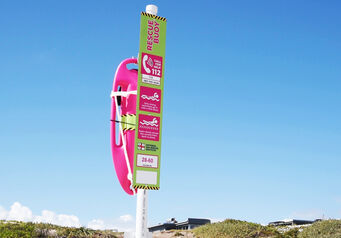
At just R2,000 per unit, which covers the cost of the buoy, branded installation pole, instructional signage and a replacement buoy, a PRB is a small investment that can save a life. Donors may also add their name or company logo to the signage, leaving a visible legacy of hope and safety.
The Pink Rescue Buoy (PRB) programme was created to give bystanders a fighting chance during water emergencies. Too often, well-meaning rescuers enter the water without flotation, putting themselves at great risk.
Since the first PRB was deployed in 2017, more than 250 rescues have been recorded. The NSRI has installed more than 2000 PRBs in identified high-risk areas, yet many more beaches and waterways remain without this simple, lifesaving device.
If you live near a beach or waterway where Pink Rescue Buoys have been installed, you can become an NSRI PRB Volunteer. PRB volunteers are our eyes on the ground. They check that buoys are in place, installations are in good condition, and they arrange replacements when needed. If you would like to play a hands-on role in keeping your community safe, please contact us.
A tragic drowning at Sodwana Bay has prompted renewed awareness around the importance of NSRI Pink Rescue Buoys (PRB) and the role communities can play in helping prevent future drownings.
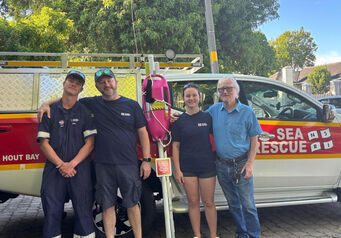
When John Oldham heard about a tragic drowning at the small dam on the outskirts of McGregor village in December 2025, he was deeply moved to take action.
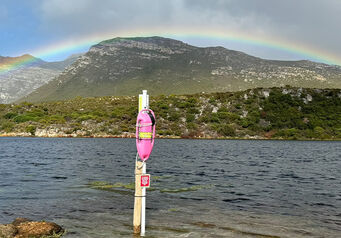
The NSRI has reached a significant milestone in its long-standing commitment to drowning prevention. By joining an international Public Rescue Equipment (PRE) working group, the NSRI is now part of a global effort to establish shared standards for life-saving equipment used by the public.
NSRI Kommetjie duty crew, NSRI Hout Bay duty crew and the CoCT (City of Cape Town) water rescue network were activated Friday 13 March following eyewitness reports of 2 teenagers appearing to be in distress in the surf zone at Kommetjie Beach, between Sunset Reef and Long Beach.
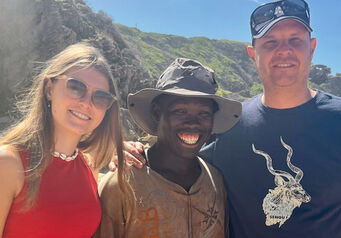
On their last day of holiday at Brenton-on-Sea, the van Eck family walked down to the beach for one last, lazy day beside the ocean, unaware of how close they would come to losing everything. By that afternoon, a father and daughter would be lying exhausted on the sand, alive only because a stranger called Innocent had sprinted for a Pink Rescue Buoy and swam straight into danger to reach them.
Gerrit Cloete, NSRI Port Alfred station commander, said: At 07h45, Thursday, 25 December, NSRI Port Alfred duty crew were activated following reports from an NSRI Port Alfred crewman, who happened to be at the scene at the time, of a drowning in progress at Kelly's Beach, Port Alfred.